
Welcome to Letzstudy
Ireland has become a leading European destination for students who want to study in Ireland for a globally recognised qualification, English-medium education, and access to an economy connected with technology, pharmaceuticals, finance, engineering, and healthcare. Indian students who choose to study in Ireland benefit from a familiar English-speaking learning environment, internationally respected universities, and a defined graduate permission pathway for eligible degree holders.
Students planning to study in Ireland can choose an undergraduate degree after Class 12, a specialised master’s programme, an MBA, a research qualification, or an industry-focused technology course. Options to study in Ireland span computing, artificial intelligence, data science, engineering, business, finance, life sciences, pharmaceutical sciences, and healthcare. Many courses combine classroom learning with research, work placements, and employer engagement.
Ireland’s higher-education system includes established universities, technological universities, specialist institutions, and select private colleges. In 2026, the quality framework for international education is moving through the TrustEd Ireland transition, so anyone planning to study in Ireland should confirm that the chosen institution and programme are eligible for recruiting non-EU/EEA students. Verifying this status is one of the most important early steps before you commit to studying in Ireland.
Irish institutions offer programmes across a broad range of disciplines, and current demand is strongest in artificial intelligence, computing, cybersecurity, pharmaceutical sciences, engineering, and business analytics. Choosing the right course is often the first real decision a student makes before they study in Ireland.
Study in Ireland After 12th
Indian students who complete Class 12 can apply to study in Ireland at the undergraduate level. Requirements vary by institution, course, and prior qualification. Applicants who plan to study in Ireland should confirm subject prerequisites and English-language evidence well ahead of the deadline, since medicine, health programmes, architecture, and portfolio-based courses often carry additional requirements.
Most honours bachelor’s degrees for students who study in Ireland take three to four years, though duration varies by award level and institution. Checking a programme’s National Framework of Qualifications (NFQ) level matters, since this can affect post-study graduate permission eligibility later on.
Ireland has a diverse system that includes research-intensive universities, technological universities, and specialist institutions. Comparing programme curriculum, graduate outcomes, city costs, and NFQ level carefully is the single most useful step before you study in Ireland.
| University | City | Popular Courses |
|---|---|---|
| Trinity College Dublin | Dublin | Computer Science, Engineering, Business, Law, Biomedical Sciences |
| University College Dublin (UCD) | Dublin | Business, Computer Science, Data, Engineering, Veterinary |
| University College Cork (UCC) | Cork | Business, Computer Science, Food Science, Pharmacy, Health |
| University of Galway | Galway | Engineering, Data, MedTech, Business, Law |
| Dublin City University (DCU) | Dublin | Computing, AI, Engineering, Business, Biotechnology |
| University of Limerick (UL) | Limerick | Engineering, Computer Science, Supply Chain, Aviation |
| Maynooth University | Maynooth | Computer Science, Data Science, Business, Psychology |
| Technological University Dublin (TU Dublin) | Dublin | Computing, Cybersecurity, Engineering, Hospitality, Design |
| RCSI University of Medicine and Health Sciences | Dublin | Medicine, Pharmacy, Physiotherapy, Healthcare |
Understanding Universities and Technological Universities
Ireland’s system includes long-established research universities alongside technological universities that emphasise applied learning and industry collaboration. Both award recognised qualifications on the National Framework of Qualifications. In 2026, TrustEd Ireland is becoming an important quality signal — QQI authorised the first 28 higher-education institutions to use the statutory TrustEd Ireland mark in February 2026. Anyone planning to study in Ireland should verify current provider and programme eligibility before paying fees.
The right university depends on your preferred course, academic profile, budget, city preference, and career plans. Before finalising where to study in Ireland, compare modules, internship or research opportunities, tuition fees, accommodation availability, and NFQ level.
Tuition fees depend on the institution, programme, and level of study, and figures can change each academic year.
| Course / Study Area | Estimated Tuition Fee (EUR) |
|---|---|
| Undergraduate Business | €10,300 – €29,000 per year |
| Undergraduate Engineering | €14,500 – €28,500 per year |
| Undergraduate Arts & Humanities | €13,500 – €28,200 per year |
| Undergraduate Medicine & Health Sciences | €50,135 – €62,500 per year |
| Postgraduate Business | €14,000 – €40,000 for many programmes |
| Postgraduate Engineering | €15,000 – €30,000 for many programmes |
Premium professional programmes, specialised MBAs, and medicine can cost more. Students who study in Ireland at the postgraduate research level may qualify for scholarships, funded projects, or doctoral awards that offset these costs.
Accommodation is usually the largest expense for students who study in Ireland, and housing demand is currently strong nationwide.
| Expense | Estimated Cost (EUR/month) |
|---|---|
| Accommodation | €600 – €1,500+ |
| Food & Groceries | €200 – €500 |
| Transport | €40 – €120 |
| Utilities | €80 – €180 |
| Books & Study Materials | €40 – €120 |
| Personal / Social Expenses | €100 – €300+ |
Visa-required students planning to study in Ireland for one year currently need to show immediate access to at least €10,000 for living expenses, with the same amount required for each subsequent year, in addition to course fees.
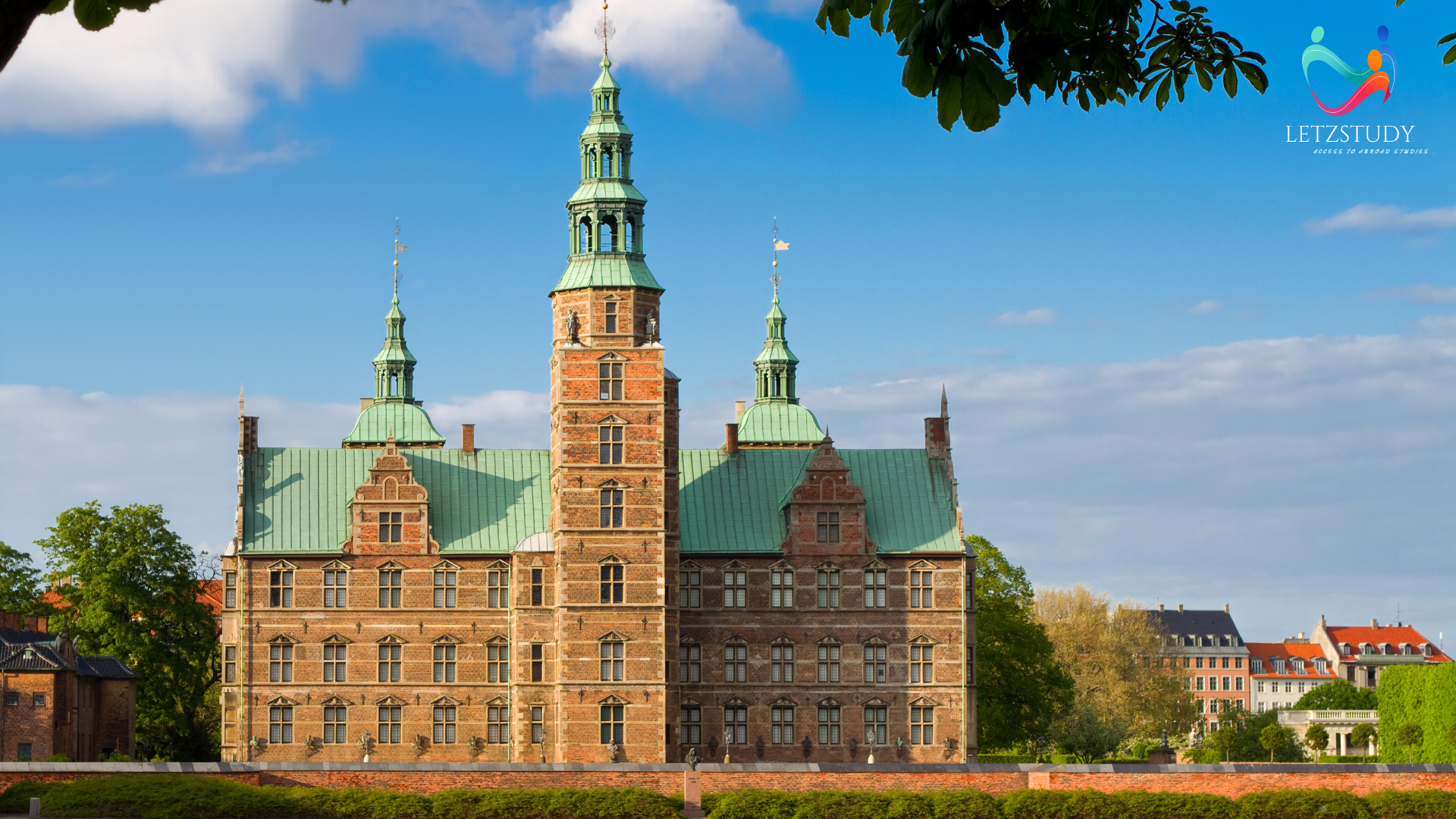 Best Student Cities for Those Who Study in Ireland
Ireland offers government, university, faculty, and research scholarships for international students. Anyone hoping to study in Ireland on a scholarship should apply early and track deadlines separately from admissions deadlines, since availability and terms change yearly.
The GOI-IES is one of the most competitive scholarships available to students who study in Ireland from outside the EU/EEA, Switzerland, and the UK. For the 2026 cycle, 60 scholarships were awarded at NFQ Level 9 or 10, each including a €10,000 stipend plus a full fee waiver for one year. Selection weighs academic achievement, communication skills, and the strength of the applicant’s rationale for choosing to study in Ireland.
Applicants planning to study in Ireland on a scholarship typically need academic transcripts, a passport copy, a university offer letter, English-test results where required, a statement of purpose, references, and an updated CV. Always confirm the exact checklist on the scholarship’s official page.
Meeting entry requirements is the first real test for anyone who wants to study in Ireland, and requirements differ by level of study.
| Test | Typical University Requirement | Immigration Minimum |
|---|---|---|
| IELTS Academic | 6.0 – 6.5+ | 5.0 |
| TOEFL iBT | 80 – 100+ | 61 |
| PTE Academic | Programme-specific | 30 |
| Duolingo English Test | Select institutions | 75 |
Indian citizens are visa-required nationals for Ireland. Students planning a course longer than 90 days generally need a Long Stay D study visa before travelling to study in Ireland. Required documents include the acceptance letter, evidence of fee payment, academic history, English-language evidence, financial proof, and private medical insurance.
According to Ireland’s Immigration Service, students staying more than 90 days must also register their immigration permission after arrival and typically receive Stamp 2 conditions for eligible full-time study.
Students on Stamp 2 conditions can work up to 20 hours per week during term time and up to 40 hours per week during official vacation periods (June–September and 15 December–15 January). Part-time work should supplement, not fund, your studies while you study in Ireland.
Graduates with an NFQ Level 8 award may receive up to 12 months on Stamp 1G, while those with an NFQ Level 9 or above qualification may qualify for up to 24 months total. Stamp 1G permits full-time work while seeking graduate-level employment, but it does not guarantee a job or employment permit for students who study in Ireland.
Common Mistakes When Planning to Study in Ireland
Even strong applicants run into avoidable setbacks if they rush the decision to study in Ireland.
LetzStudy supports Indian students at every stage of the journey to study in Ireland, from course shortlisting to visa documentation. Our counsellors compare universities, tuition costs, scholarships, and career pathways against your academic profile so you build a realistic, well-informed plan.
Our support includes:
Book your free counselling session and take the first step to study in Ireland with LetzStudy.
Is it expensive to study in Ireland? Costs vary by institution and course — undergraduate business fees run roughly €10,300–€29,000 a year, while medicine and specialised postgraduate programmes cost significantly more.
Can I work while I study in Ireland? Yes, students on Stamp 2 conditions can work up to 20 hours a week in term time and up to 40 hours during official vacation periods.
Do I need IELTS to study in Ireland? Most universities ask for around 6.0–6.5 overall, though the immigration minimum for visa purposes is lower at 5.0 — check your specific course page.
What is the best intake to study in Ireland? September is the main intake with the broadest course choice; a smaller January intake exists for selected postgraduate and business programmes.